
By Maribel (Bella) Khoury Shaar, MD — Primary Care Physician and Psychiatry Fellow Candidate
Published August 2025
Why I Started Volunteering
When I helped charter the Rotary Club of Mental Health & Wellness, my goal was simple: to give back. I wanted to support mental health projects and help others find hope.
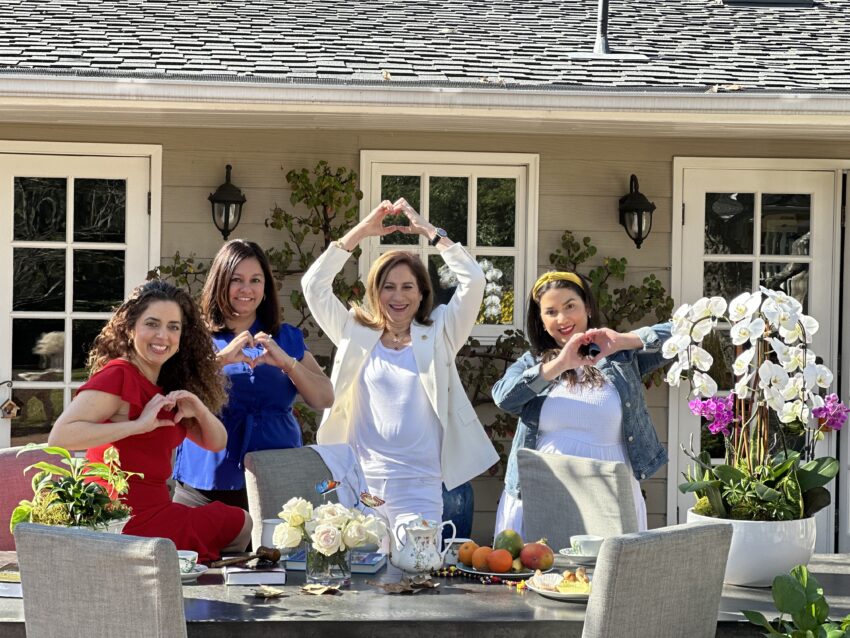
What I didn’t expect was how much I would get in return. Volunteering has become one of the most healing parts of my own journey. Somewhere between painting walls, packing coping kits, and sharing meals with my fellow Rotarians, I discovered that giving back doesn’t just help others — it fills me up, too.
The Butterfly Effect
I’ve always believed in the butterfly effect — the idea that small actions can ripple outward in ways we might never fully see. A kind word, a steady hand, a simple gesture — all of these can create change that moves far beyond us.
As a mother, I want my children to see this in action. My hope is to raise global citizens — kids who understand that kindness, service, and compassion aren’t just nice extras in life, but part of what it means to be fully human. Watching them step into this spirit in their own ways has been one of my greatest joys.
5 Mental Health Benefits of Volunteering
- Connection & Belonging
Volunteering builds genuine connection. Some of my closest friendships have started at service projects, and those moments of laughter (sometimes over coffee, sometimes over wine) remind me that community heals. - Purpose & Meaning
Helping others gives us a sense of meaning. Even small acts — delivering a meal, sharing words of encouragement, showing up when someone needs it most — remind us that our presence matters. - Stress Relief
Believe it or not, giving back lowers stress. Studies show volunteers are less likely to experience depression and often feel more satisfied with life. Personally? After a long week at the clinic, a service project recharges me more than any weekend of binge-watching ever could. - Skill Building & Growth
Volunteering nudges us to grow. I’ve learned how to organize projects, collaborate with people from all walks of life, and most importantly, laugh at myself when things go sideways (because they almost always do!). - Hope & Perspective
Witnessing resilience in others restores hope in ourselves. Whether it’s veterans finding calm in a healing space or students being awarded scholarships to follow their dreams, volunteering reminds me daily that healing and possibility are all around us.
A Doctor’s Reflection
My patients often tell me they appreciate that I’m a little quirky and down-to-earth. I don’t pretend to have it all figured out. I need belonging, laughter, and meaning just as much as anyone else.
Volunteering has been its own kind of “medicine” for me. It’s taught me that true healing isn’t only about lab results or prescriptions — it’s about community, shared humanity, and being part of something bigger than ourselves.
✨ Key Takeaway: Volunteering isn’t just about helping others — it’s about healing ourselves, modeling kindness for our children, and creating ripples of hope that reach far beyond what we can imagine.
Closing
Sometimes the best medicine isn’t found in a prescription — it’s found in connection, purpose, and giving back. If you’ve ever thought about giving back, start small. Offer an hour. Join a cause. Check in on a neighbor. You don’t have to change the world in a day.
But as both a physician and a volunteer, I can tell you this: your act of kindness might be the healthiest prescription you’ll ever give yourself — and the side effects include joy, connection, and a little more hope in the world.